New Construction: The Pros, the Cons and the Fine Print
Brand-new homes are everywhere from Summerville to Johns Island. Here's what to weigh, and why you should bring your own agent to the model home.
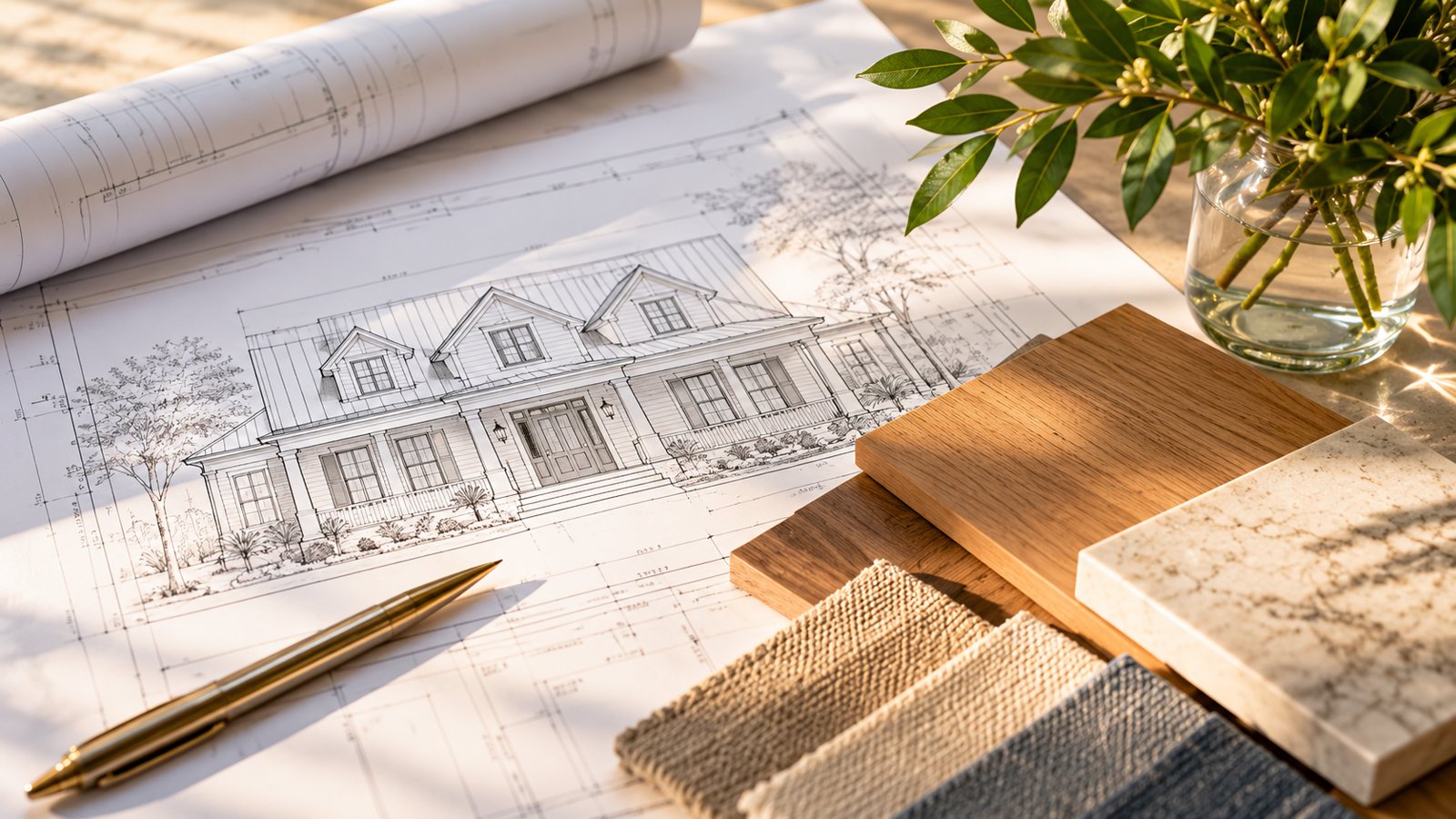
From Nexton to the new communities along Johns Island and Highway 17, new construction is a big part of the Lowcountry market. A new home can be a great choice. It also comes with a different contract, different incentives and a different set of risks than a resale.
The pros
- Everything is new. Roof, HVAC, water heater and appliances start their lives with you, which usually means fewer big repair bills in the first years.
- Modern building standards. Newer energy codes, better insulation and windows, and often better wind-resistance details than older homes.
- Choices. Depending on the stage you buy, you may pick finishes, layout options and the lot.
- Builder warranties. Many builders offer a structured warranty, commonly one year on workmanship, two on systems and ten on structural elements. Read what yours actually covers.
- Incentives. Builders often offer closing-cost help or rate buydowns, especially when inventory is building.
The cons
- Base price isn't final price. Lot premiums, structural options and design-center upgrades can add a lot. Get a written, itemized total before you commit.
- Timelines slip. Weather, labor and materials can push a to-be-built closing back by months. Plan for your lease or current home accordingly.
- The builder's contract favors the builder. It's their form, not the standard state association form, and it often limits your remedies and their deadlines.
- Young landscaping, ongoing construction. Expect small trees, dust, trucks and noise until the community builds out.
- HOA and future fees. Dues and rules may change once the developer turns the HOA over to homeowners.
- Resale competition. If you sell while the builder is still selling new homes nearby, you'll compete with their incentives.
The fine print that matters
The sales rep represents the builder
The friendly person in the model home works for the seller. Having your own agent costs you nothing extra in most cases, since builders typically budget for buyer-agent compensation, but check the community's policy. Many builders require your agent to be with you, or registered, on your first visit. Call me before you walk in.
Preferred-lender incentives
An incentive tied to the builder's lender can be real money. Still compare a Loan Estimate from an outside lender; sometimes the incentive is offset by a higher rate or fees.
Inspect it anyway
New doesn't mean perfect. Hire an independent inspector for a pre-drywall inspection and a final inspection, and consider one more before your one-year warranty expires. Many builder contracts allow this; get it in writing.
Flood zone and elevation
Some newer communities are built on low ground. Ask for the elevation certificate and get a flood insurance quote even if the lender doesn't require it.
Where new homes are going up around Charleston
Most of the area's new construction sits in a handful of corridors, and each has a different feel and price point.
- Summerville and Berkeley County. Nexton, Cane Bay and Carnes Crossroads are large master-planned communities with parks, trails and shops built in. This is where you'll find the widest choice and the most house for the money.
- Johns Island. Smaller communities off Maybank Highway and River Road, popular with buyers who want to be near the beaches and Kiawah. Traffic on and off the island is part of the decision.
- North Mount Pleasant and Cainhoy. Carolina Park in Mount Pleasant and Point Hope along Clements Ferry Road offer newer homes closer to Daniel Island and downtown, at higher prices.
- Infill. One-off new homes on older streets in West Ashley, James Island, Park Circle and the upper peninsula, usually sold by small local builders.
My neighborhood guides cover each of these areas, with current market numbers.
Move-in ready, under construction or to-be-built
- Move-in ready ("spec") homes are finished or close to it. You can't change much, but you can see exactly what you're buying, close in about the same time as a resale, and often negotiate the most.
- Under construction homes may still let you choose some finishes. Ask for a firm completion date in writing.
- To-be-built gives you the most choices and the longest wait, commonly six months to a year. Your rate lock, your lease and your current home's sale all have to work around a date that can move.
Questions to ask before you sign
- What is the total price with this lot, these options and these upgrades?
- How much is the deposit, and when does it become non-refundable?
- What happens if the home isn't finished by the estimated date?
- What are the HOA dues now, what do they cover, and are any amenities still unbuilt?
- Is the incentive tied to your lender and closing attorney, and what does it cost me to use my own?
- Who handles warranty requests after closing, and how do I submit them?
A South Carolina property tax surprise
The first tax bill on a new home is often based on the land alone, so it looks low. Once the county assesses the finished house, the bill rises, sometimes sharply. Also apply to your county for the owner-occupied (legal residence) rate as soon as you move in. A primary home in South Carolina is assessed at 4%, and everything else at 6%, which makes a large difference in the bill.
Common questions
Can I negotiate with a builder?
Often, yes, though builders usually prefer to give incentives such as closing costs, upgrades or a rate buydown before they cut the price. There is typically the most room on finished homes and at the end of a builder's quarter or year.
Do I need an inspection on a brand-new house?
Yes. Municipal inspectors check for code, not for quality. An independent inspector works for you, and the best time to find a problem is before the drywall goes up and before your warranty runs out.
Does it cost more to bring my own agent?
In most communities, no. The price is the same with or without one, so going alone usually means giving up representation without saving anything. Ask about the community's policy before your first visit.

Own Charleston · 843.300.2535 · jill@owncharlestonsc.com